

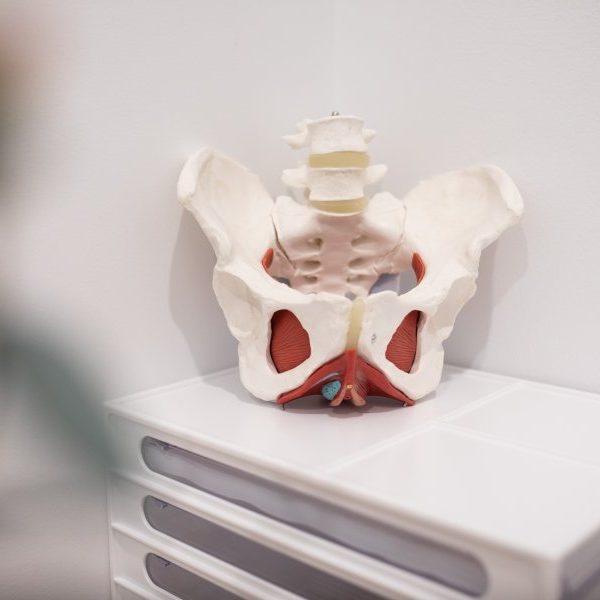
Pessary fitting for prolapse and pelvic floor support
A pessary is a medical-grade silicone device worn inside the vagina to support the pelvic organs. For many women, it’s the thing that finally makes exercise feel possible again, or gets them through a long day without discomfort. It’s not a last resort; it’s a genuinely effective option that many women choose and use well for years.
Whether you’re exploring your options, managing symptoms during pregnancy, or looking for something that works without surgery, we’re here to help you find it.
Who may benefit from a pessary
A correctly fitted pessary can significantly reduce pelvic pressure, bulge, and leakage, without any surgical recovery or downtime. Pessary fitting may be right for you if:
- You’re experiencing prolapse symptoms. A pessary can provide relief from pelvic pressure, heaviness, and pain.
- Bladder leakage is affecting your confidence. If leaking when you laugh, sneeze, or exercise has started to shape what you do and don’t do, a pessary can help.
- You’re pregnant or recently postpartum. Temporary support for pelvic floor symptoms during or after pregnancy can make a real difference to how you feel day to day.
- You’re considering or waiting for surgery. A pessary can help manage symptoms while you weigh up your options or wait for a procedure.
- Surgery isn’t right for you right now. Whether for health, personal, or timing reasons, a pessary offers a safe, effective alternative that many women rely on long-term.
- You want to get back to exercise. A well-fitted pessary can give you back the freedom to move the way you want to.
Did you know there are many types of pessaries?
The right fit depends on the type and degree of prolapse, your anatomy, your lifestyle, and whether you want to manage it yourself at home or prefer clinic-led care. At North West Healthy Women, your physiotherapist will assess all of this before recommending a type that suits you.
Some of the most commonly fitted pessary types (in order from minor to significant prolapse support) include:
Ring pessary
The ring pessary is the most widely used type and a good starting point for many women with mild to moderate prolapse or bladder leakage. It’s a flexible, ring-shaped device that sits inside the vagina and provides gentle structural support. Most women find ring pessaries straightforward to manage at home once they’ve had proper instruction.
Dish pessary
A dish pessary has a flat, disc-like shape with or without a supportive membrane across the centre. It’s often used for women with a cystocele (bladder prolapse) and can be a good option when a ring pessary alone isn’t providing enough support. Like a ring pessary, it can generally be managed at home.
Cube pessary
A cube pessary works differently from ring or dish types. Rather than sitting in place through shape alone, it holds position through gentle suction against the vaginal walls. Cube pessaries require more frequent removal than a ring pessary.
Gellhorn pessary
A Gellhorn pessary is used for uterine or vault prolapse. It has a stem and a wider base that provides pelvic support.
What’s involved in a physio consultation
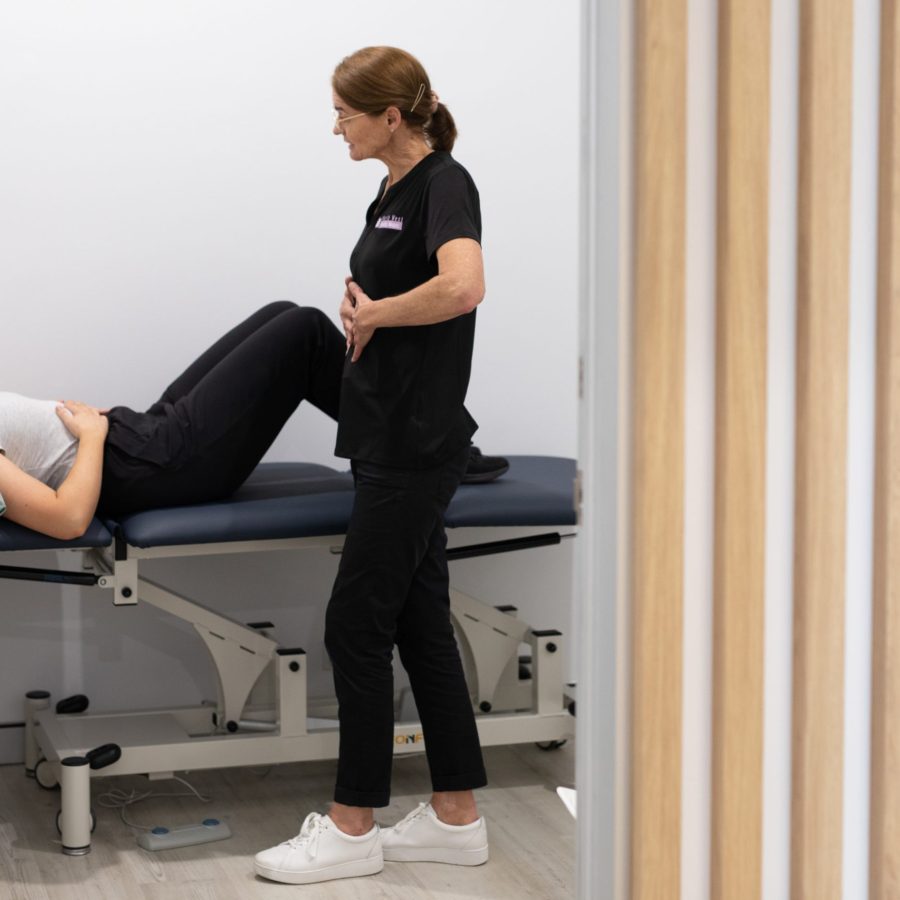
Your initial consultation focuses on understanding your health history, current symptoms, movement concerns, and what you want to be able to do more comfortably in daily life.
From there, your exercise physiotherapist designs an individualised program that considers pain levels, fatigue patterns, and recovery capacity.
Sessions may include:
- physical movement assessment
- strength and resistance training
- weight-bearing exercise to support bone health
- balance and stability work
- gentle cardiovascular conditioning
- functional movements and mobility for daily activities
- education to help you understand how your body responds to exercise

Women's health clinic with a difference
Too often, women don’t feel supported or heard – and we’re here to change the narrative. We combine our expertise with a heartfelt approach to ensure you feel understood and cared for in every session.
Compassionate, expert care
The Healthy Women clinic is a space where your issues are heard and resolved with an all-female team who are equal parts compassionate and knowledgeable in women’s health.
A safe, welcoming space
Our clinic is a place for women to feel supported and comfortable – from our friendly staff to the fully private rooms.
Flexible and convenient service
We all lead busy lives (especially mums!), so the little things like free parking, flexible appointment times, and our childminding area go a long way.

Pessary fitting FAQs
What is a pessary and how does it work?
A pessary is a medical grade silicone device worn inside the vagina to support the pelvic organs. It reduces symptoms of prolapse or bladder leakage by providing gentle internal support. A pessary should not be noticeable once correctly fitted — many are surprised by how much of a difference it makes.
What is a ring pessary?
A ring pessary is the most commonly fitted type. It’s a flexible, ring-shaped device that sits inside the vagina and supports the pelvic organs. Ring pessaries are often a good fit for women with uterine or bladder prolapse, and once you know how, most women manage them easily at home.
Will the pessary fitting be uncomfortable?
Your physiotherapist will work slowly, explain each step, and check in with you throughout. Some women feel a mild sensation during the pelvic assessment or fitting. If anything feels wrong, say so and we’ll adjust our approach to make sure you feel as comfortable as possible from start to finish.
Can I still exercise with a pessary in?
Yes, and for many women that’s one of their primary motivations for a fitting. A well-fitted pessary can give you back the ability to run, jump, lift, or take a fitness class without symptoms getting in the way. Your physiotherapist will make sure the fit works for the activities you want to return to.
How often do I need a follow-up appointment?
That depends on the type of pessary fitted and whether you’re managing it yourself at home. Your physiotherapist will give you a clear follow-up plan at your first appointment. Women who are comfortable with self-management typically need less frequent check-ins.
Do I need a referral to book?
No referral is needed to book a pessary fitting appointment at North West Healthy Women. If you’re eligible for Medicare or private health rebates, we can talk you through your options when you get in touch. If you have any previous scans, imaging, or reports from other health care practitioners it can be helpful to bring a copy with you.
Should I be doing pelvic floor exercises as well as using a pessary?
A pessary provides support but doesn’t strengthen the pelvic floor muscles on its own. Many women benefit from combining pessary use with a pelvic floor rehabilitation program. Your physiotherapist can assess whether that’s right for you and build it into your care if so.
Effective, compassionate pessary for prolapse and pelvic support
Is your prolapse holding you back from enjoying everyday activities? At North West Healthy Women, we can make a real difference in helping you reclaim your strength and confidence. Book an appointment today.