
Pelvic girdle pain can make everyday movements feel harder than they should.
For some women, it shows up as a sharp twinge when walking or rolling over in bed. For others, it’s more of a deep ache that lingers through the hips, back, or pubic bone. However it feels for you, if the discomfort is affecting your day-to-day, it’s worth addressing.
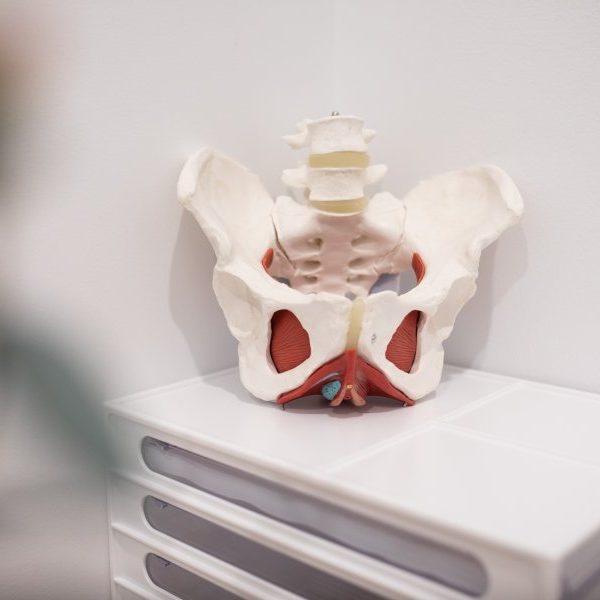
Pelvic girdle pain is often caused by changes in your joints, muscles, and movement patterns. It’s especially common during pregnancy but can also continue after birth or show up outside of pregnancy altogether. Working with a women’s health physiotherapist can help reduce pelvic girdle pain, improve stability, and make it easier to move with confidence again.
What Symptoms Can Pelvic Girdle Pain Cause?
We help women experiencing:
- Pain around the pelvis
- Pelvic pain that worsens with weight-bearing or prolonged activity
- Feeling unstable or wobbly through the hips and pelvis
- Clicking or grinding sensations around the pelvis
- Pain that radiates into the lower back, hips, thighs, or groin
- Discomfort during pregnancy linked to pelvic or postural changes

What’s involved in a physiotherapy consultation?
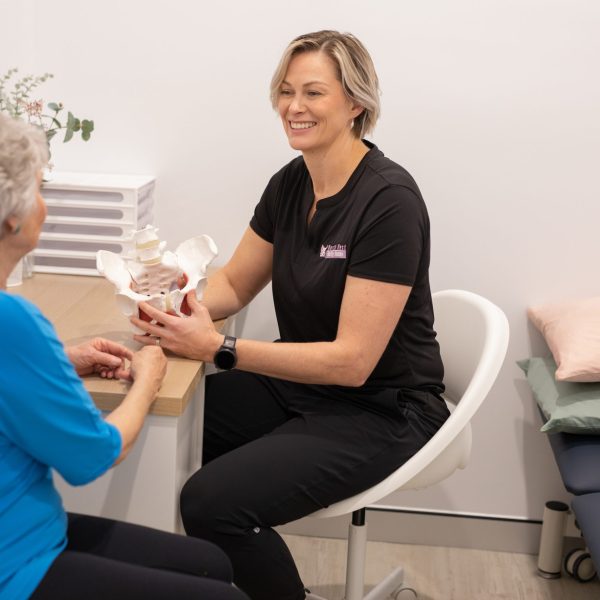
A pelvic floor assessment is a thorough evaluation conducted by a specialised physiotherapist to understand your specific needs and develop an effective treatment plan for your pelvic girdle pain. Here’s what to expect:
Initial Consultation
Your physiotherapist will discuss your symptoms, medical history, and goals.
Physical Examination
Depending on your symptoms, this may include assessing posture, pelvic alignment, abdominal muscles, and movement ranges.
Vaginal Examination
If related to your symptoms, an internal examination might be recommended to evaluate pelvic function. This is explained beforehand, and you can choose whether to proceed or withdraw at any time.
Personalised Plan
Post-assessment, you'll receive education on the findings and a tailored treatment plan.
Our goal is to ensure you feel comfortable and supported throughout the process, aiming for the best possible outcomes.

Women's health clinic with a difference
Too often, women don’t feel supported or heard – and we’re here to change the narrative. We combine our expertise with a heartfelt approach to ensure you feel understood and cared for in every session.
Compassionate, expert care
The Healthy Women clinic is a space where your issues are heard and resolved with an all-female team who are equal parts compassionate and knowledgeable in women’s health.
A safe, welcoming space
Our clinic is a place for women to feel supported and comfortable – from our friendly staff to the fully private rooms.
Flexible and convenient service
We all lead busy lives (especially mums!), so the little things like free parking, flexible appointment times, and our childminding area go a long way.


Pelvic Girdle Pain FAQs
How can a physiotherapist help with pelvic girdle pain?
A women’s health physiotherapist will assess your movement and identify what’s contributing to your pelvic girdle pain and rule out or address other potential causes of your symptoms. From there, we can create a personalised plan based on what’s driving your symptoms. This might include hands-on treatment, gentle exercises to support your hips and pelvis, strategies to improve the way you move, and advice on managing day-to-day tasks without flaring up your symptoms.
If you’re pregnant, we can support you all the way through to birth and beyond, adjusting your care as your body changes and helping you feel as strong and comfortable as possible.
How do I prepare for my physiotherapy session?
Consider your symptoms and how they are affecting your daily life currently. You may like to keep a diary of your symptoms and your daily habits. Bringing a list of your questions and concerns can also be beneficial. Wear comfortable clothing that allows for easy movement.
What if I have my period?
If you are comfortable to attend, our physios are also comfortable to continue with your session. If you feel more comfortable to wait until your period is over, we can easily reschedule for another date.
Do I need a referral to see a physiotherapist for pelvic girdle pain?
No, you don’t need a referral or doctor’s clearance to see us. Our experienced practitioners are skilled in managing various medical conditions and will ensure all activities are safe and suitable for your situation. We collaborate closely with Brisbane Pelvic Floor Specialists and Gynecologists and are happy to coordinate with them to support your rehabilitation.
Take the First Step Toward Pelvic Girdle Pain Relief
Whether you’re pregnant, postpartum, or simply not feeling like yourself, the right support can make a meaningful difference. Our women’s health physios take the time to understand your experience and work with you to reduce pain and improve movement.